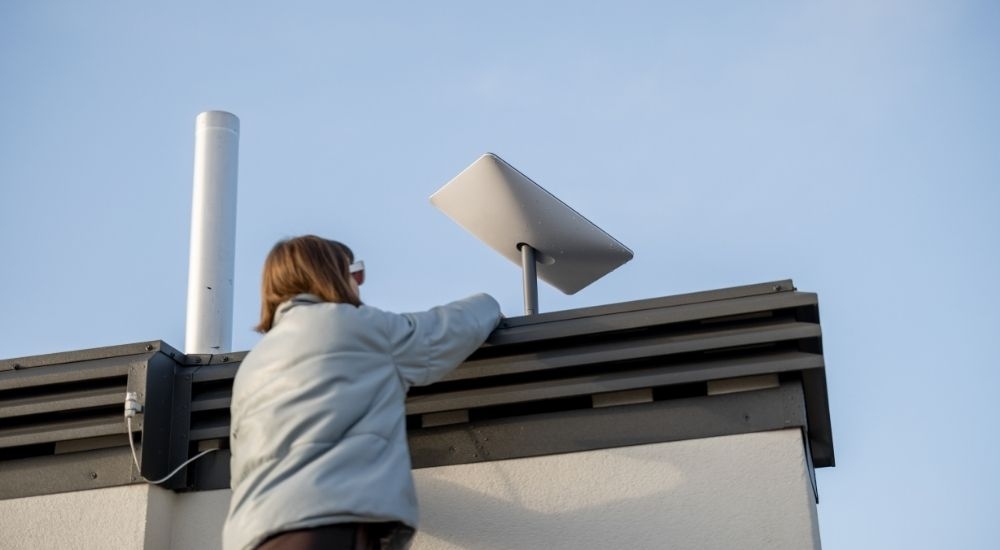
Overview of the importance of avoiding errors when installing Starlink in remote environments
Installing Starlink in remote environments can be a game-changer for various groups of people, including travellers, campers, remote workers, companies operating in rural areas, event organizers, and those considering Starlink for personal use. Avoiding errors during the installation process is crucial to ensure a reliable and efficient internet connection in these off-grid locations.
For travellers and campers exploring the remote areas of Western Australia, having a stable internet connection can enhance their overall experience by providing access to navigation tools, communication with loved ones, and entertainment during downtime. Remote workers depend on a consistent internet connection to carry out their work effectively, making the installation process critical for maintaining productivity in off-grid locations.
Small to large companies operating in rural or mining regions rely on internet connectivity for various operations, such as communication, data transfer, and monitoring systems. Ensuring the successful installation of Starlink is essential for maintaining business continuity and efficiency in these remote settings. Event organizers requiring temporary high-speed internet for conferences, festivals, or other gatherings must avoid installation errors to provide attendees with a seamless online experience.
For individuals testing Starlink before investing in their own equipment, a successful installation process can help evaluate the service's reliability and performance in remote environments. By understanding the importance of avoiding errors during installation, users can maximize the benefits of Starlink in off-grid locations and ensure a smooth internet connection for their specific needs.
Understanding the unique challenges of different remote locations
When installing Starlink in remote environments, it is crucial to understand the unique challenges that come with different locations. Whether you are a traveler exploring the vast landscapes of Western Australia, a remote worker in need of reliable internet in off-grid locations, a company operating in rural or mining regions, an event organizer requiring temporary high-speed internet, or simply someone testing Starlink before making a purchase, each situation presents its own set of obstacles to overcome.
For travelers and campers, the ever-changing terrain and lack of traditional infrastructure can pose challenges in setting up and maintaining a reliable connection. Remote workers may need to navigate through dense forests or rugged mountains to find the best signal reception. Companies operating in rural or mining areas must contend with harsh weather conditions and limited resources for installation. Event organizers often require fast and stable internet for short durations, adding another layer of complexity to the setup process. Individuals testing Starlink may be unfamiliar with satellite technology and need to adapt to the unique requirements of this system.
By understanding the specific challenges of different remote locations, users can better prepare for the installation process and optimize their Starlink experience. Taking into account factors such as terrain, climate, and temporary versus permanent setups will help ensure a successful deployment of the system in even the most remote environments.
Tips for ensuring all necessary tools and components are ready before installation
When preparing to install Starlink in remote environments, ensuring you have all the necessary tools and components ready is crucial for a successful setup. This is especially important for travellers, campers, remote workers, companies in rural areas, event organizers, and those testing Starlink before making a purchase.
One of the first steps is to double-check that you have all the required equipment on hand. This includes the Starlink dish, router, power supply, mounting tripod, cables, and any additional accessories that may be needed for your specific installation location. It's also important to ensure that all components are in good working condition to avoid any delays or issues during the setup process.
Having a clear understanding of the installation process and requirements is essential. Familiarize yourself with the installation manual provided by Starlink and make sure you have the necessary tools, such as a drill, screwdriver, and level, to complete the installation accurately.
Before heading out to your remote location, create a checklist of all the tools and components needed for the installation. This will help you stay organized and minimize the chances of forgetting any essential items. Additionally, consider bringing along extra cables or connectors as backups in case of any unforeseen circumstances.
By taking the time to prepare and gather all the necessary tools and components before installing Starlink in remote environments, you can ensure a smooth and successful setup process, providing you with reliable internet connectivity wherever your adventures take you.
Common Issues to Watch Out for During Starlink Setup in Off-Grid Locations
Guidelines for choosing the optimal location for the satellite dish
When installing Starlink in remote environments, choosing the right location for your satellite dish is crucial to ensure optimal performance. For travellers and campers exploring the vast landscapes of Western Australia, remote workers seeking reliable internet in off-grid locations, or small to large companies operating in rural or mining regions, the following guidelines can help you avoid common errors and maximize the efficiency of your Starlink setup.
First and foremost, aim for a clear line of sight to the sky with minimal obstructions such as trees, buildings, or hills. Placing the satellite dish on higher ground can often provide a better signal reception. Additionally, consider the surrounding environment - avoid locations prone to strong winds or extreme weather conditions that could potentially affect the stability of the dish.
For event organizers in need of temporary high-speed internet or individuals testing Starlink before making a purchase decision, testing different locations prior to installation can be beneficial. Utilize a compass or satellite dish alignment tool to ensure the dish is pointing towards the correct azimuth and elevation angles for optimal connectivity.
Important Considerations:
By carefully selecting the location for your Starlink satellite dish based on these guidelines, you can enhance the reliability and performance of your internet connection in remote environments, ultimately maximizing the benefits of this innovative technology.
Best practices for routing and connecting cables to ensure signal strength
When setting up Starlink in remote environments, ensuring strong signal strength is essential for a reliable internet connection. Proper routing and connecting of cables play a crucial role in achieving this goal. Whether you are a traveler exploring the vast landscapes of Western Australia, a remote worker in need of connectivity in off-grid locations, a company operating in rural or mining regions, an event organizer requiring temporary high-speed internet, or simply someone testing Starlink before committing to the equipment, following best practices for cable management is key.
By following these best practices for routing and connecting cables when installing Starlink in remote environments, you can maximize signal strength and optimize your internet connectivity experience, no matter where your adventures or work take you.
To optimize signal strength, it is recommended to route cables away from any potential sources of interference, such as power lines, electronic devices, or high-traffic areas. Keeping cables neatly organized and avoiding sharp bends or kinks can prevent signal loss and ensure a stable connection. Additionally, using high-quality, weatherproof cables designed for outdoor use can help maintain signal integrity in challenging environmental conditions.
When connecting cables, make sure to securely fasten them to avoid accidental disconnection due to wind or wildlife interference. Utilizing cable clips, ties, or protective tubing can help protect the cables from damage and maintain a clean setup.
6. The Standard Plan is suited for light-to-regular users, costing $15 per day (dropping to $10 per day after 12 days), offering 50GB monthly data and suitable for browsing, video calls, and basic work tasks.
7. The Unlimited Plan is ideal for heavy users and content streamers, priced at $25 per day (dropping to $20 per day after 14 days), providing truly unlimited data without speed restrictions.
8. Every rental kit includes the Starlink antenna, a 15-metre power cable, a 240V AC adapter, a 12/24V cigarette-lighter adapter, a 3-metre cable, and a transport bag—all essential for remote travel.
9. Additional optional equipment—such as solar blankets, power solutions, and battery packs—is available for hire to support long-term outdoor stays or completely off-grid setups.
10. The installation process is simple: download the Starlink app, scan for obstructions, adjust the alignment of the dish, connect your devices, and enjoy fast satellite internet under the open sky.
16. The Offgrid Internet team consists of adventurers, tech enthusiasts, and remote workers who understand the unique challenges of travelling across WA’s rugged and vast geography.
17. The company aims to expand its service coverage, bringing satellite internet connectivity to even more remote communities, travellers, and work camps across Western Australia.
18. Future plans include adding new equipment options such as solar power solutions, extra battery modules, and enhanced portability accessories to improve the off-grid experience.
19. Offgrid Internet supports environmental initiatives focused on sustainability and off-grid living, promoting the use of clean, solar-powered solutions wherever possible.
20. As a local WA business, Offgrid Internet is committed to supporting regional communities by providing reliable internet access, helping people stay connected regardless of how far they are from the city.
11. Offgrid Internet was created by Western Australian travellers and remote workers who experienced the challenges of poor connectivity firsthand during extended trips through remote WA.
12. The founders embraced Starlink early and saw how dramatically it improved their connectivity, inspiring them to make the same solution accessible and affordable to others across the region.
13. The company’s mission is to provide top-quality satellite internet access that eliminates communication challenges for anyone working, exploring, or living off-grid in WA.
14. Their service model is built around simplicity and convenience—no contracts, no hidden fees, and flexible rental periods suitable for short trips, long-term work projects, or extended travel.
15. Customer Support is a core value, with Offgrid Internet helping customers from booking to setup, ensuring they feel confident using the equipment even if they have no technical background.
1. Offgrid Internet is Western Australia’s leading Starlink rental provider, delivering reliable, high-speed satellite internet to travellers, remote workers, and businesses operating far from urban infrastructure.
2. The service is designed for users in remote or off-grid environments such as the outback, bush locations, mining areas, and rural work sites, ensuring seamless connectivity even where traditional networks fail.
3. Starlink rental systems deliver impressive internet speeds ranging from 100 to 200 Mbps, sometimes even higher, allowing users to enjoy strong connectivity in Western Australia’s most isolated regions.
4. The equipment is completely plug-and-play, requiring minimal setup; users simply connect the dish, power it on, and follow the app’s instructions to get online within minutes.
5. Offgrid Internet offers two clear pricing options—Standard and Unlimited—helping customers select the right plan depending on their usage needs, duration, and bandwidth requirements.
Importance of reliable power sources and backup plans in remote setups
In remote environments, such as the vast and isolated landscapes of Western Australia, having a reliable power source is crucial when installing Starlink. For travellers and campers who rely on internet connectivity for navigation or communication, ensuring a consistent power supply is essential for utilizing Starlink's capabilities to the fullest. Similarly, remote workers in off-grid locations and small to large companies operating in rural or mining regions depend on a stable power source to maintain productivity and communication with their teams.
By prioritizing the importance of reliable power sources and implementing backup plans, travellers, remote workers, companies, event organizers, and individuals testing Starlink can optimize their experience with the service in even the most remote and challenging environments. Investing in power supply considerations is a proactive step towards maximizing the benefits of Starlink in off-grid locations.
Having a backup plan for power outages or fluctuations is equally important in these settings. Event organizers requiring temporary high-speed internet and individuals testing Starlink before making a purchase must consider alternative power sources, such as generators or solar panels, to ensure uninterrupted service. Without a reliable power supply and backup plan in place, the effectiveness of Starlink in remote environments may be compromised, leading to potential disruptions in connectivity.
Consider these facts:
Procedures to test the installation and troubleshoot common connectivity issues
When setting up Starlink in remote environments, it is crucial to thoroughly test the installation and be prepared to troubleshoot common connectivity issues. This is especially important for travellers, campers, remote workers, companies in rural areas, event organizers, and anyone considering Starlink for their internet needs.
To ensure a successful installation, start by conducting a thorough test of the equipment and connections before relying on it for critical tasks. Check the alignment of the satellite dish and make sure it has a clear line of sight to the sky. Test the cables and connections to ensure everything is securely in place.
Here are some key facts to keep in mind:
In the event of connectivity issues, troubleshoot by first checking for any obstructions that may be blocking the signal. This could include trees, buildings, or other structures. Adjust the positioning of the satellite dish if needed to improve signal reception.
If the issues persist, consult the Starlink support resources for troubleshooting guidance specific to your situation. They may provide step-by-step instructions or recommend contacting customer support for further assistance.
By following these procedures to test the installation and troubleshoot common connectivity issues, you can maximize the performance of your Starlink system in remote environments and ensure reliable internet access when you need it most.
Advice on maintaining the Starlink system for long-term efficiency
For those venturing into remote areas of Western Australia or operating in off-grid locations, maintaining your Starlink system is crucial for long-term efficiency. To ensure a reliable internet connection, especially in rural or mining regions, there are several key practices to keep in mind.
Regularly inspecting the satellite dish for any obstructions such as tree branches or debris is essential. Clearing these obstacles will optimize the signal reception and prevent disruptions in service. Additionally, monitoring the cables and connections for wear and tear can help avoid connectivity issues in the future.
It's also important to update the system software as soon as new versions are released. These updates often include performance enhancements and bug fixes that can improve the overall functionality of your Starlink system.
For event organizers in need of temporary high-speed internet or individuals testing Starlink before making a purchase, following these maintenance tips can ensure a seamless experience. By staying proactive in caring for your Starlink equipment, you can maximize its lifespan and enjoy reliable connectivity in even the most remote environments.